
In the evolving world of business, one of the most debated topics among small business owners and marketers is Online Marketing Vs. Offline Marketing: Which performs better in 2026? With technology advancing rapidly and consumer behavior shifting every year, this question has become even more critical for businesses in India. Whether you run a local café in Ahmedabad, a clothing boutique in Surat, or a startup in Bangalore, the way you market your business directly influences your growth.
Offline marketing—which includes newspapers, banners, flyers, hoardings, and television advertisements—was once the primary way to reach customers. It helped create brand visibility in local communities, especially before the internet became mainstream in India. For decades, offline methods worked well because they had fewer alternatives. However, they came with limitations like high costs, difficulty in tracking ROI, and limited targeting options.
On the other hand, online marketing has transformed the landscape in the last decade. It includes social media marketing, search engine optimization (SEO), Google Ads, email campaigns, and influencer marketing. With affordable internet access and smartphones reaching even Tier 2 and Tier 3 cities in India, online marketing has become accessible to nearly every business owner. For example, a bakery in Jaipur can run Instagram ads for just ₹500 and reach thousands of nearby customers within 24 hours—something offline marketing cannot achieve at that cost.
As we look at 2026, the digital shift is undeniable. According to industry reports, more than 75% of Indian consumers search online before making a purchase decision. This shows that online visibility is no longer optional but necessary for survival. Offline marketing still has relevance in certain industries like real estate, FMCG, and retail stores, but its influence is shrinking compared to digital platforms.
What is Online Marketing and How It Works?
Online marketing is the practice of promoting products or services through digital channels such as social media, websites, search engines, email, and mobile apps. Unlike offline marketing, which often casts a wide net, online marketing is data-driven, targeted, and measurable. It allows small businesses to reach the right audience at the right time without spending excessively.
For example, a boutique in Surat can run Facebook ads targeting women aged 18–35 within a 5 km radius. This precise targeting ensures that the business does not waste money on people outside its service area. Similarly, Google Ads allow a local plumber in Jaipur to appear instantly when someone types “best plumber near me” into the search bar.
Online marketing works through multiple strategies:
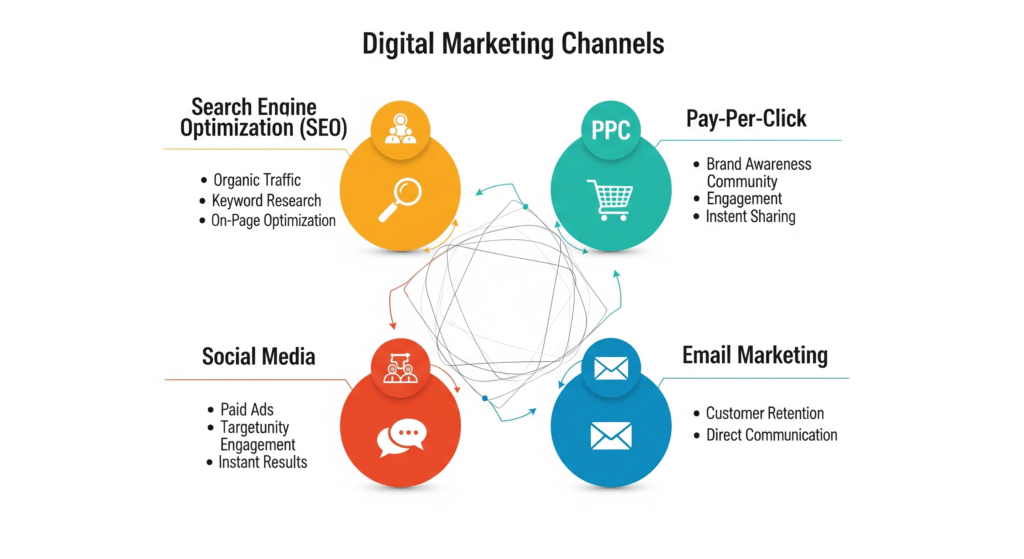
- Search Engine Optimization (SEO): Optimizing website content so it ranks higher on Google and attracts free organic traffic.
- Social Media Marketing (SMM): Platforms like Instagram, Facebook, and LinkedIn help businesses engage directly with customers.
- Pay-Per-Click (PPC): Running ads on Google or Meta platforms where you pay only when someone clicks on your ad.
- Email Marketing: Building relationships with customers by sending personalized messages and offers.
- Content Marketing: Sharing blogs, videos, or reels to educate, entertain, and build brand authority.
The biggest advantage of online marketing is measurability. Every rupee spent can be tracked in terms of clicks, leads, and conversions. A case study from India showed that a small home décor brand increased its sales by 60% within three months through a mix of Instagram ads and SEO optimization—something offline campaigns cannot match in terms of cost and data-driven success.
In 2026, online marketing will only grow stronger with AI-driven targeting, influencer collaborations, and voice search optimization. For small businesses, adopting online channels is not just an option—it’s a necessity to remain competitive.
What is Offline Marketing and How It Works?
Offline marketing refers to all traditional forms of advertising used before the digital boom. These include newspaper ads, TV and radio commercials, hoardings, billboards, pamphlets, posters, events, and sponsorships. Offline marketing works by reaching people in physical locations rather than online platforms.
For instance, a coaching institute in Delhi might use hoardings near bus stops or distribute flyers outside schools to attract students. A clothing brand in Mumbai may sponsor a college event to build brand recall among young customers. While these strategies create visibility, they lack the ability to track results. Unlike online campaigns, you cannot measure exactly how many people saw your hoarding or took action after reading a newspaper ad.
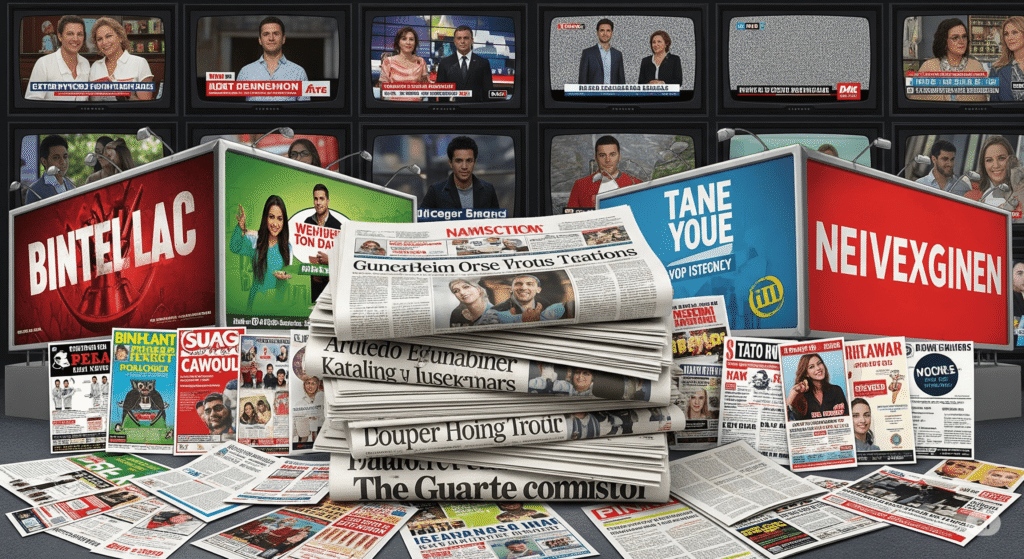
Despite these limitations, offline marketing has its strengths. It is powerful for building trust and credibility, especially among audiences who are not active online. For example, real estate developers in India still invest heavily in print media and outdoor advertising because large hoardings create authority and attract walk-in customers. FMCG brands also continue to use TV ads because they can reach mass audiences across age groups.
However, offline marketing has drawbacks:
- High cost: A single newspaper ad in a popular daily can cost ₹1–2 lakhs for one day with no guarantee of sales.
- Limited reach: It is bound by geography; a billboard in Pune cannot reach a customer in Chennai.
- No real-time analytics: Businesses cannot track ROI effectively.
In 2026, offline marketing will still exist but mostly as a support system for online campaigns. It works best for industries that need local, physical presence but not as the primary driver of sales.
Offline Marketing Graph Will Increase or Decrease in 2026:
The marketing landscape is undergoing a massive transformation in India. Research indicates that while offline marketing will not vanish completely, its overall graph is expected to decline in 2026. Businesses are moving away from print ads and hoardings and investing more into digital platforms due to better ROI and measurable results.
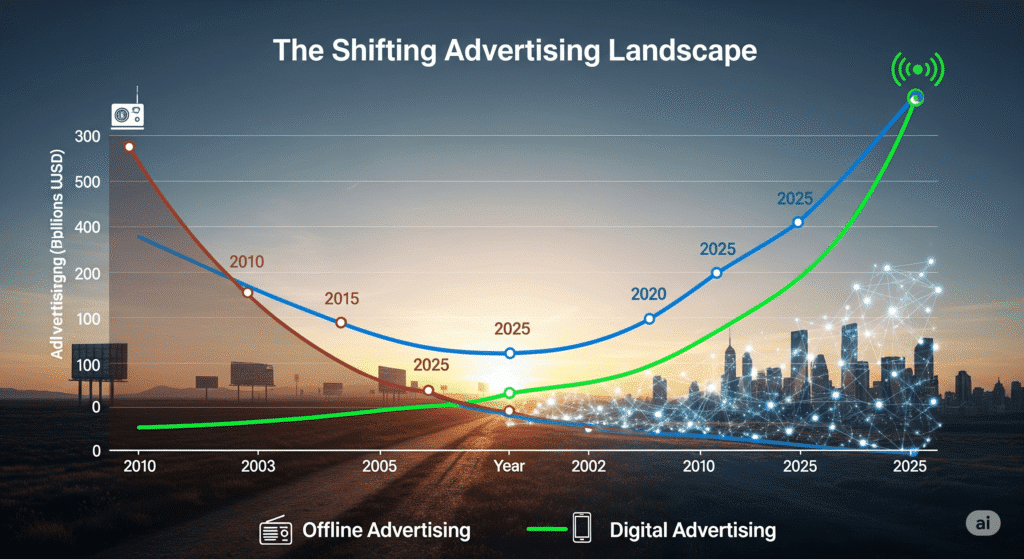
According to a Statista report, digital advertising spending in India is projected to cross ₹50,000 crores by 2026, while traditional advertising is expected to grow at a much slower pace, limited to television and outdoor media. This clearly indicates a tilt towards online channels.
There are several reasons for this decline:
- Consumer Behavior: More than 75% of Indian buyers research online before purchasing. Offline methods no longer hold the same influence.
- High Costs: Hoardings, TV ads, and print campaigns are expensive with uncertain outcomes.
- Limited Targeting: Offline ads cannot be customized for specific audiences.
- Rise of Digital India: Government initiatives and increased smartphone penetration are pushing consumers online.
That said, offline marketing will not disappear completely. Industries like real estate, retail, and FMCG will continue to invest in traditional ads for visibility and trust. For example, a large supermarket chain might still advertise through local newspapers or distribute flyers in neighborhoods to drive immediate footfall.
However, for small businesses, the trend is clear—offline marketing will decrease in importance by 2026. If you are running on a limited budget, investing in online marketing strategies such as SEO, Meta ads, and Google My Business optimization will deliver better results compared to offline promotions.
Online Marketing Performs Well Compared to Offline Marketing?
When comparing Online Marketing Vs. Offline Marketing in terms of performance, online marketing clearly has the upper hand. It not only delivers better ROI but also ensures long-term visibility and customer engagement. Here’s why online outperforms offline:
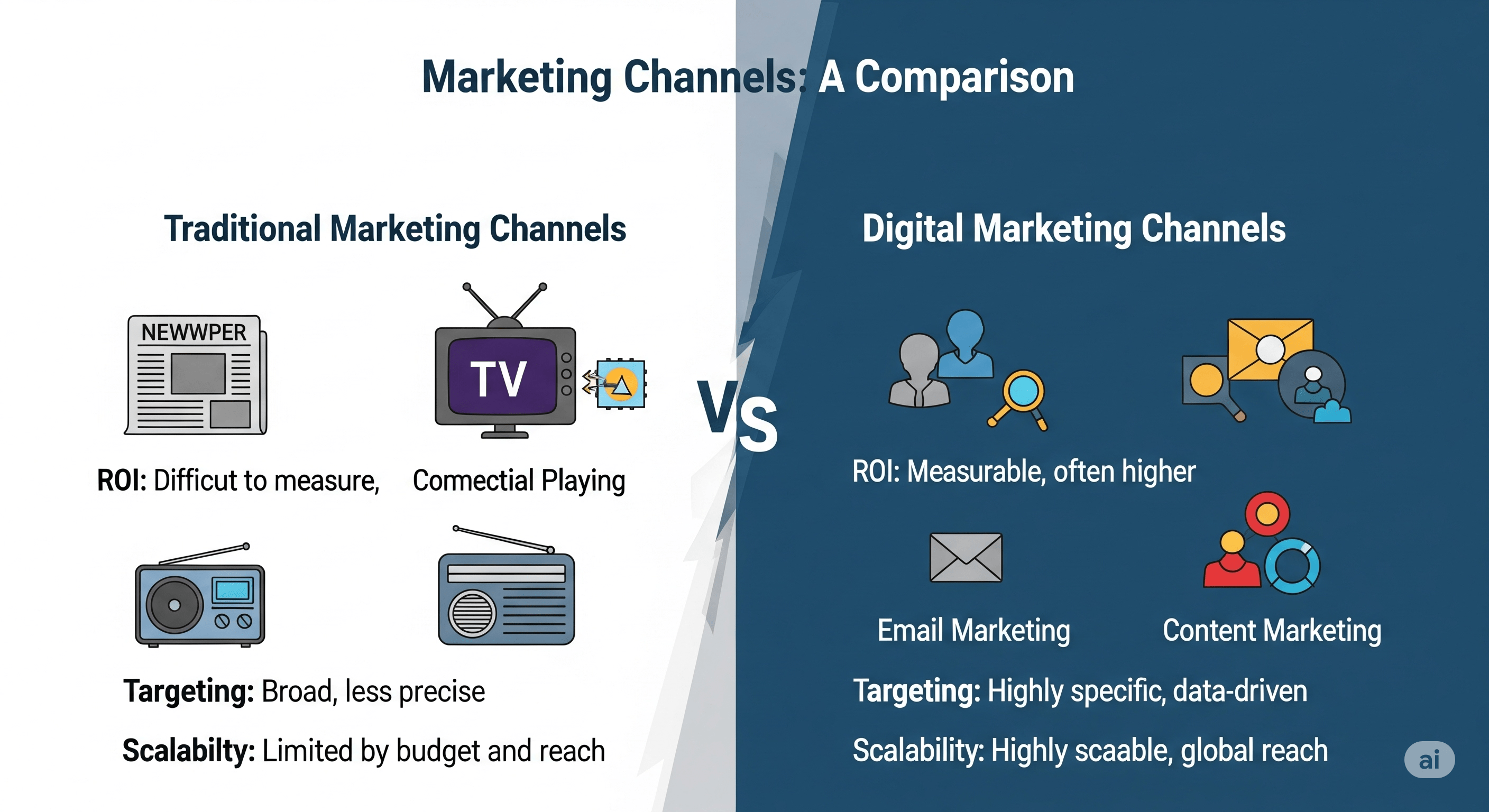
- Cost Efficiency: A Google Ads campaign for ₹5,000 can generate hundreds of leads, while the same amount spent on a newspaper ad may bring little to no measurable response.
- Targeting Power: Online platforms allow you to target based on demographics, interests, behavior, and location—something offline can never achieve.
- Real-Time Results: Online campaigns show instant data on impressions, clicks, and conversions. Offline ads leave you guessing.
- Scalability: Online strategies can scale nationally or globally, while offline is limited by geography.
A real-life case study: A local gym in Pune invested ₹10,000 in Instagram ads and generated 200 leads, of which 40 converted into memberships. On the other hand, their ₹25,000 newspaper campaign generated only 15 walk-ins with no tracking of effectiveness.
While offline marketing is still useful for industries that depend on physical presence, it lacks the flexibility, reach, and affordability of online campaigns. In 2026, as AI and automation make digital campaigns smarter, the gap between online and offline marketing performance will widen further.
On Which Platform, Upcoming Trends Will Show More – Online or Offline?
Looking at upcoming trends, it is clear that online marketing will dominate 2026 and beyond. The digital ecosystem is expanding rapidly, with several trends shaping the future:
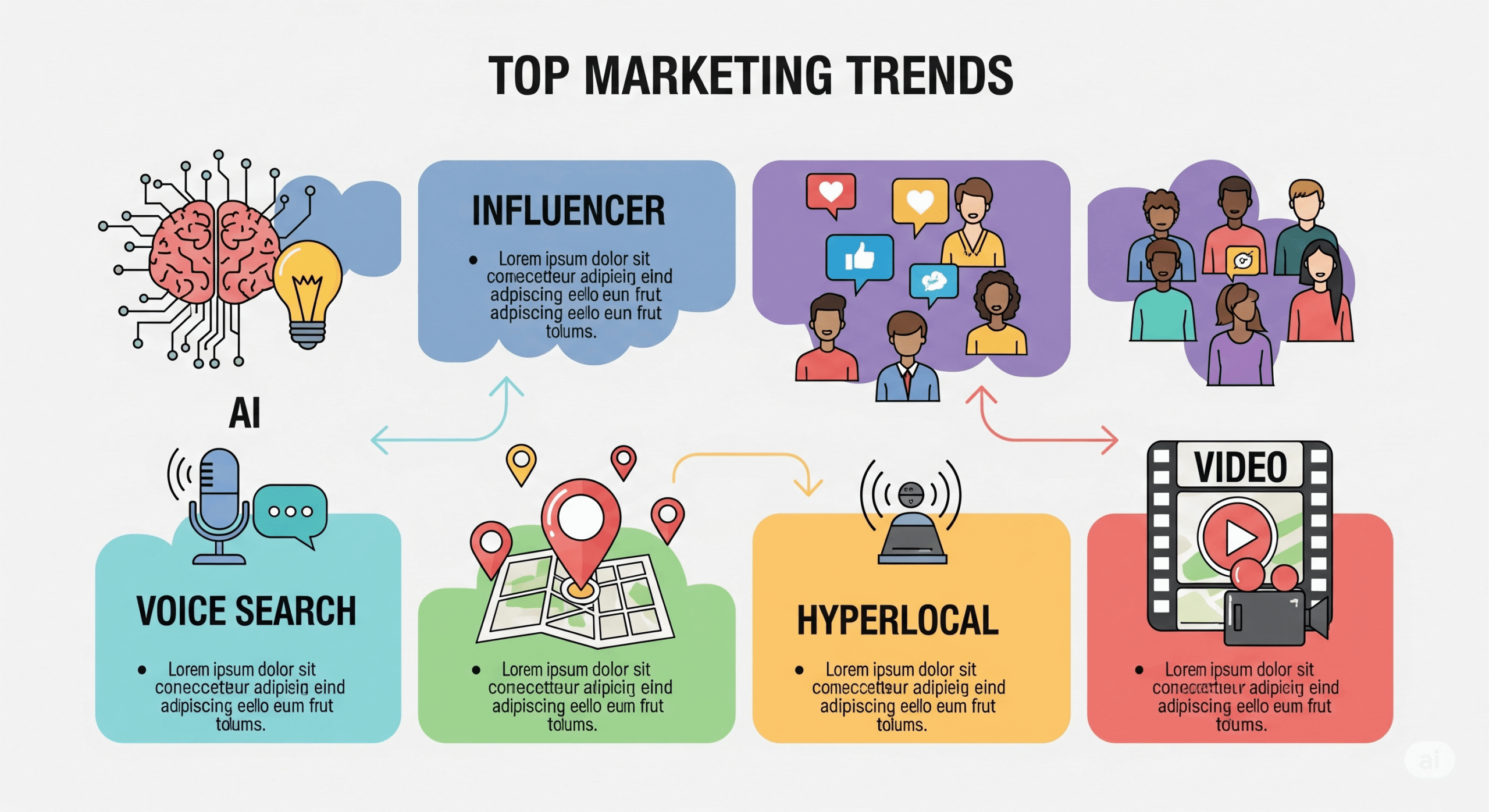
- AI-Powered Advertising: Tools like Google AI and Meta Advantage+ will automate targeting and bidding for higher efficiency.
- Influencer Marketing: Indian small businesses are increasingly partnering with micro-influencers on Instagram and YouTube for authentic brand promotion.
- Voice Search: With more Indians using Alexa, Siri, and Google Assistant, businesses need to optimize for voice queries.
- Hyperlocal Targeting: Platforms like Google Business Profile and WhatsApp marketing will help local shops reach customers in their neighbourhoods.
Short-Form Video: Reels, YouTube Shorts, and Snapchat Spotlight will continue to capture audience attention.
Offline marketing trends will also exist but remain secondary. Sponsorships of local events, community-based marketing, and in-store experiences will still hold relevance, especially for retail and FMCG brands. For example, an electronics shop may sponsor a local college fest to attract walk-ins.
However, when comparing Online Marketing Vs. Offline Marketing, online is the clear winner in terms of adaptability and innovation. With India moving toward a $1 trillion digital economy by 2030, businesses that embrace online platforms now will stay ahead of competitors.
Why Choose Online Marketing for Business Growth?
For small business owners, choosing online marketing in 2026 is the smartest decision for growth. Unlike offline campaigns, digital marketing services in surat offers scalability, measurability, and affordability—critical factors for businesses operating with limited budgets.
Key reasons to choose online marketing:
- Better ROI: You pay only for measurable actions such as clicks, leads, or purchases.
- Wider Reach: One Instagram ad campaign can reach thousands of people across India.
- Flexibility: Campaigns can be started, paused, or modified instantly based on performance.
- Customer Engagement: Social media enables two-way communication, building long-term relationships.
- Local SEO: Google My Business helps local shops appear in “near me” searches, driving immediate foot traffic.
Actionable tips for small businesses:
- Start with Google Business Profile optimization to appear in local searches.
- Invest in SEO and content marketing for long-term organic growth.
- Run small-budget ads on Facebook or Instagram to test waters before scaling.
- Use WhatsApp marketing to connect directly with customers.
Example: A sweets shop in Lucknow used a mix of Google Ads and WhatsApp promotions during Diwali and achieved 3X sales compared to the previous year when they relied only on offline flyers.
In 2026, businesses that rely solely on offline methods risk falling behind. Online marketing provides the competitive edge needed for sustainable growth in India’s fast-moving digital economy.
FAQs:
Online marketing uses digital channels like social media and Google Ads, while offline marketing relies on traditional methods like TV, newspapers, and hoardings.
Online marketing gives better ROI because it is affordable, targeted, and fully measurable.
No, offline marketing still works for industries like real estate, FMCG, and retail but has limited growth compared to online.
Because it allows budget-friendly campaigns, local targeting, and measurable results that offline cannot provide.
High costs, limited reach, no real-time analytics, and lack of precise targeting.
AI-driven ads, influencer marketing, voice search, hyperlocal targeting, and short-form video content.
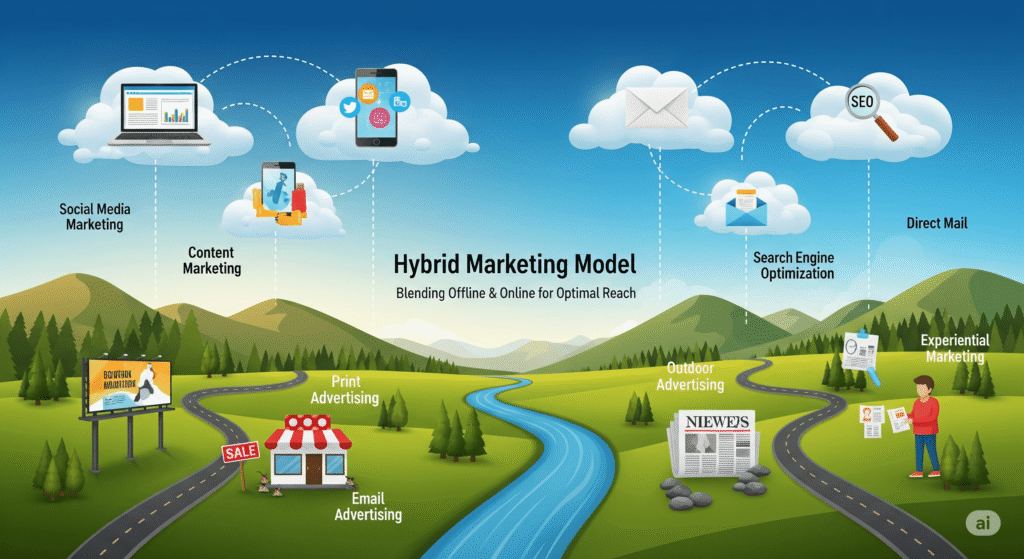
No, a hybrid approach works best—offline builds trust while online drives growth and scalability.
Focus mainly on online marketing for growth, but use offline selectively for brand visibility and trust.
Conclusion:
Conclusion:
When it comes to Online Marketing Vs. Offline Marketing, the debate in 2026 is not about replacing one with the other but understanding which strategy works best for your business goals.
- Offline marketing still plays a role in industries where physical presence and mass exposure matter—like real estate, FMCG, and events. It helps build trust and brand recall in communities but struggles with ROI and measurability.
- Online marketing, however, outshines offline in cost-effectiveness, targeting precision, and scalability. Whether you’re a café owner in Jaipur or a fitness trainer in Mumbai, online platforms allow you to reach the right customers at the right time and track every rupee spent.
The best approach is often a hybrid model: use offline for brand visibility and trust, but focus primarily on online marketing for growth, lead generation, and long-term sustainability.
In 2026, as India’s digital economy continues to expand, businesses that adapt quickly to online platforms will stay ahead of competitors. If you’re a small business owner, the decision is clear—go online, start small, and scale your marketing to unlock true growth potential.