

In today’s fast-paced digital landscape, simply owning a website is not enough. With millions of websites competing for attention, small businesses, startups, and marketers must take a strategic approach to visibility. This is where Search Engine Optimization (SEO) comes into play.
SEO has transformed from simple keyword stuffing into a sophisticated process that involves technical improvements, content quality, user trust, and authority building. For businesses in India, SEO offers a unique opportunity: it is cost-effective, builds credibility, and creates a sustainable digital footprint.
This blog, The Complete Guidance of Modern SEO, is your roadmap to mastering SEO fundamentals and advanced on-page strategies. Whether you are a small business owner, a digital marketer, or an SEO learner, this guide will give you actionable insights and real-world examples tailored for growth in the Indian market.
By the end, you’ll know how to rank higher on Google, build trust with your audience, and grow your business steadily.
What is SEO?
SEO, or Search Engine Optimization, is the process of improving your website to make it more visible in search engine results. When people type queries into Google—like “best bakery in Mumbai” or “affordable SEO services in Gujarat”—SEO helps your website appear at the top.
But SEO is more than rankings. It’s about delivering value to the right audience at the right time. In The Complete Guide to Modern SEO, we focus on SEO as a tool for building trust, increasing organic traffic, and converting visitors into customers.
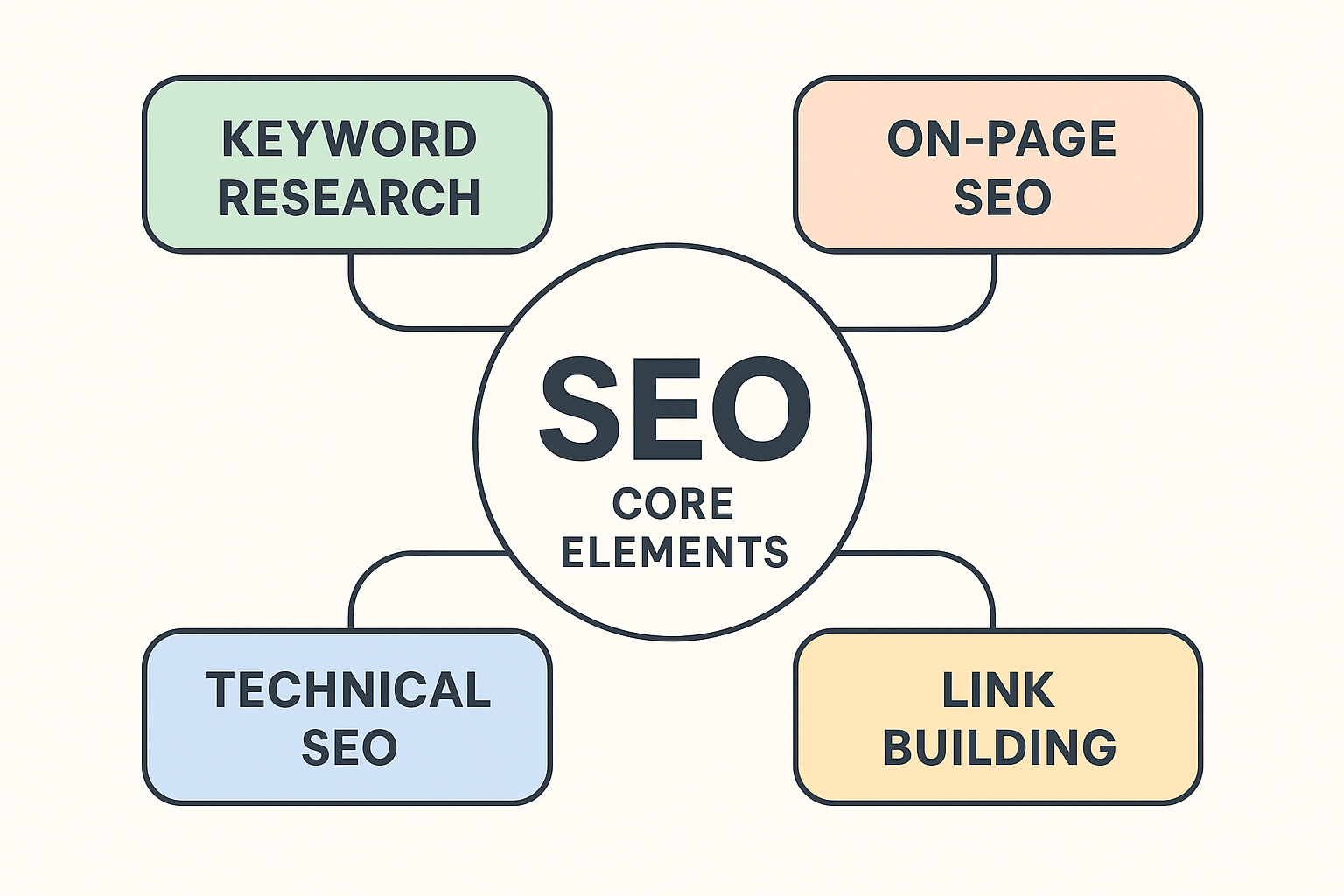
Key Components of SEO
- Keyword Research – Finding terms your target audience is searching for.
- On-Page Optimization – Structuring content with proper titles, headers, and keywords.
- Technical SEO – Ensuring your site loads fast, is mobile-friendly, and easily crawlable
- Link Building – Getting reputable websites to vouch for your authority.
Example: A yoga studio in Bangalore optimized its content with keywords like “yoga classes near me.” By adding local schema markup and optimizing its Google Business Profile, the studio doubled its inquiries within three months.
Why is SEO So Important?
SEO is no longer optional—it’s essential. Businesses that invest in SEO enjoy long-term benefits that paid ads cannot match.
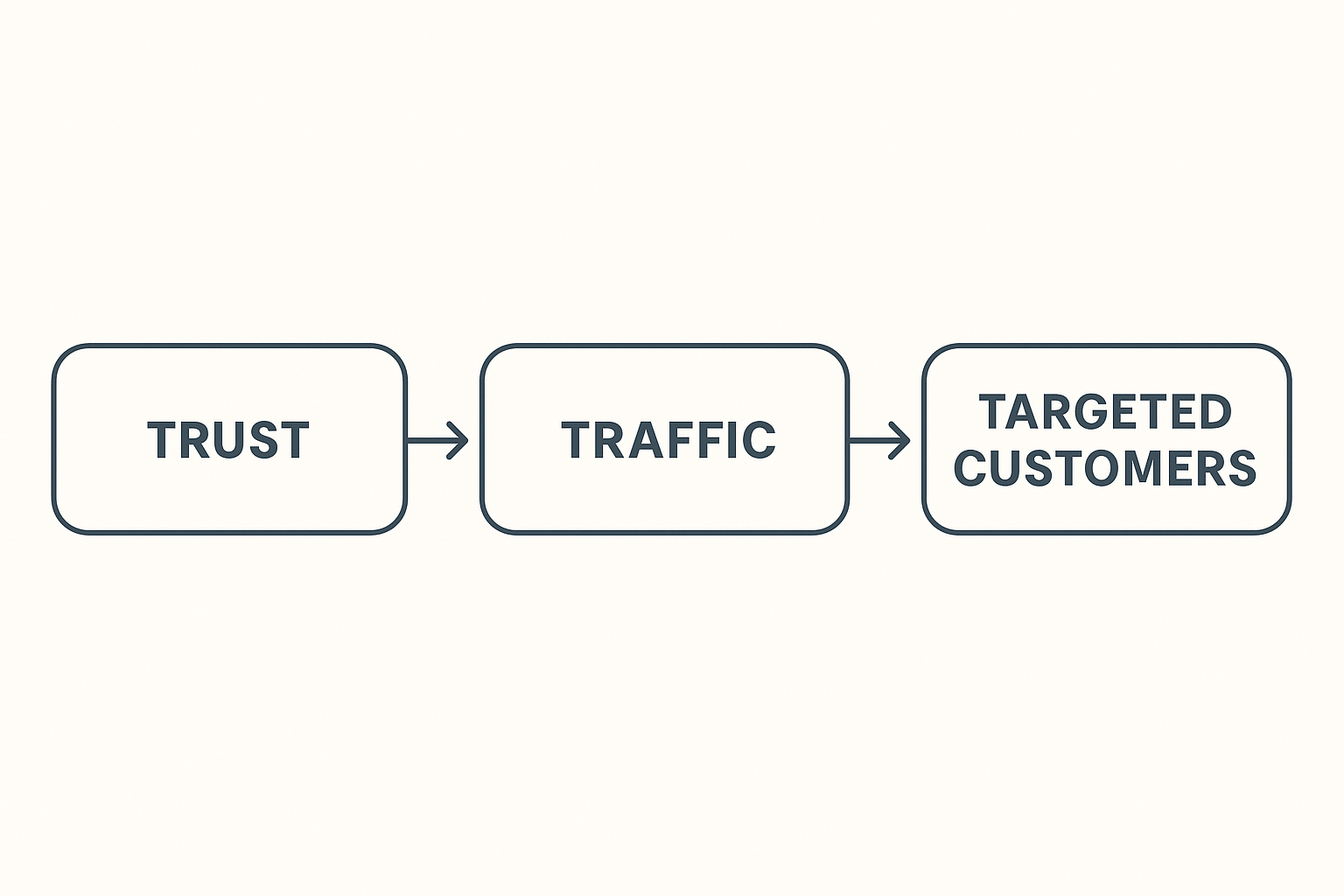
1. SEO Builds Trust & Credibility
When a website appears on Google’s first page, users perceive it as more reliable. A ranking position is essentially a “vote of confidence” from Google.
2. SEO Drives Organic Traffic
Studies show that more than 50% of website traffic comes from organic search. Without SEO, you’re leaving valuable traffic on the table.
3. SEO is Cost-Effective
Compared to paid ads, SEO brings continuous visibility without requiring constant ad spend.
4. SEO Brings Targeted Customers
Unlike social media ads that interrupt users, SEO reaches people already searching for what you offer.
Case Study: A restaurant in Ahmedabad optimized for “family dinner places near me.” Within six months, they saw a 70% increase in bookings—without increasing their ad budget.
The Complete Guidance of Modern SEO shows how SEO can transform visibility, credibility, and conversions for businesses of all sizes.
Types of SEO:
To succeed with The Complete Guidance of Modern SEO, it’s important to understand the four main types of SEO. Each plays a unique role in improving your website’s visibility and performance.
1. On-Page SEO
On-page SEO deals with everything you can control on your own website. This includes:
- Optimizing meta titles, descriptions, and headers with relevant keywords.
- Adding alt text to images for accessibility and ranking.
- Using internal links to guide users across pages.
- Creating high-quality, original content that solves user queries.
Example: A bakery in Delhi published a blog on “Top 10 Birthday Cake Designs in Delhi,” using the keyword naturally in the title, meta description, and content. This single blog attracted thousands of views and increased cake orders.
2. Off-Page SEO
Off-page SEO builds credibility and authority by getting external sites to vouch for you. This includes:
- Backlinks: Links from authoritative websites.
- Guest Posting: Writing on other platforms to reach new audiences.
- Social Signals: Engagement on social media platforms.
Example: A digital marketing agency in Surat gained backlinks from well-known industry blogs, boosting its rankings for “SEO services in Gujarat.”
3. Technical SEO
Technical SEO ensures your website performs well for both users and search engines. Key elements include:
- Fast page loading speed.
- Mobile responsiveness.
- Proper XML sitemaps and robots.txt.
- Structured data for rich snippets.
Example: An e-commerce site in Pune reduced its loading speed from 7 seconds to 2.5 seconds. As a result, bounce rates dropped, and conversions improved by 30%.
4. Local SEO
Local SEO is essential for small businesses targeting customers in specific areas. Strategies include:
- Optimizing Google Business Profile.
- Adding location-based keywords.
- Encouraging customer reviews.
- Building local citations.
Example: A Jaipur salon used “best salon near me” keywords and encouraged customers to leave reviews. Within three months, walk-ins increased significantly.
What is The Power of E-E-A-T?
Google evaluates websites using E-E-A-T (Experience, Expertise, Authoritativeness, and Trustworthiness).
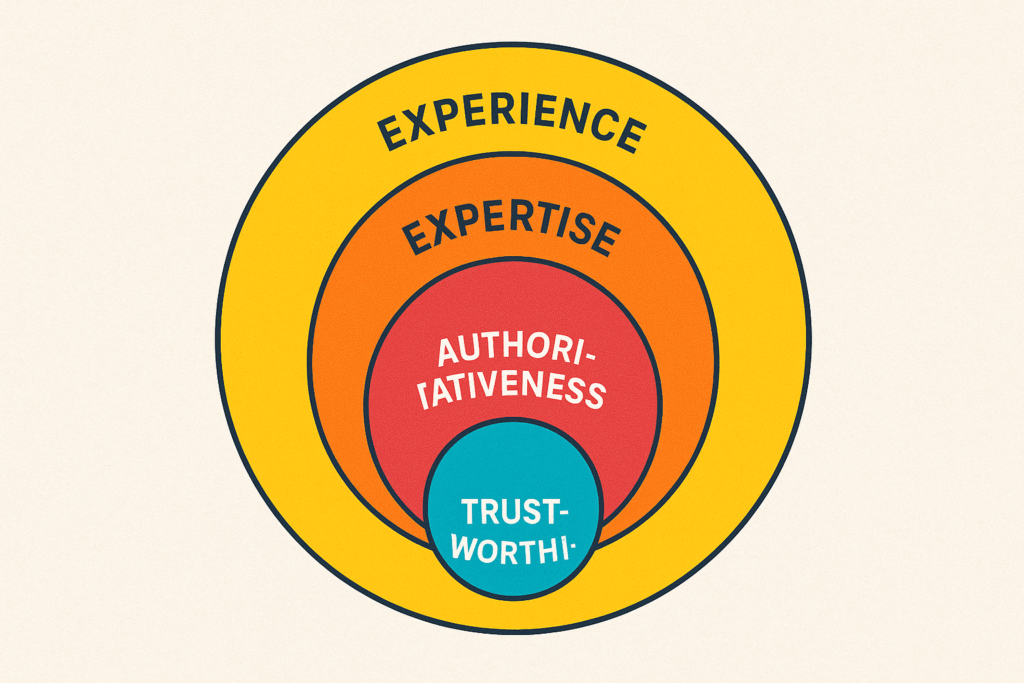
- Experience: Has the author used the product or service?
- Expertise: Is the author qualified?
- Authoritativeness: Do other experts recognize this content?
- Trustworthiness: Is the website secure, transparent, and accurate?
Example: A nutrition blog written by a certified dietitian will rank higher than one by a non-expert.
Actionable Tips:
- Add author bios with credentials.
- Use real case studies and testimonials.
- Keep content regularly updated.
- Secure your site with HTTPS.
The Complete Guidance of Modern SEO emphasizes that E-E-A-T is not optional—it’s a ranking necessity.
The Role of Internal and External Linking:
Links shape how search engines and users perceive your website.
- Internal Links: Connect your own pages to improve navigation and ranking.
- External Links: Reference credible sources to build trust.
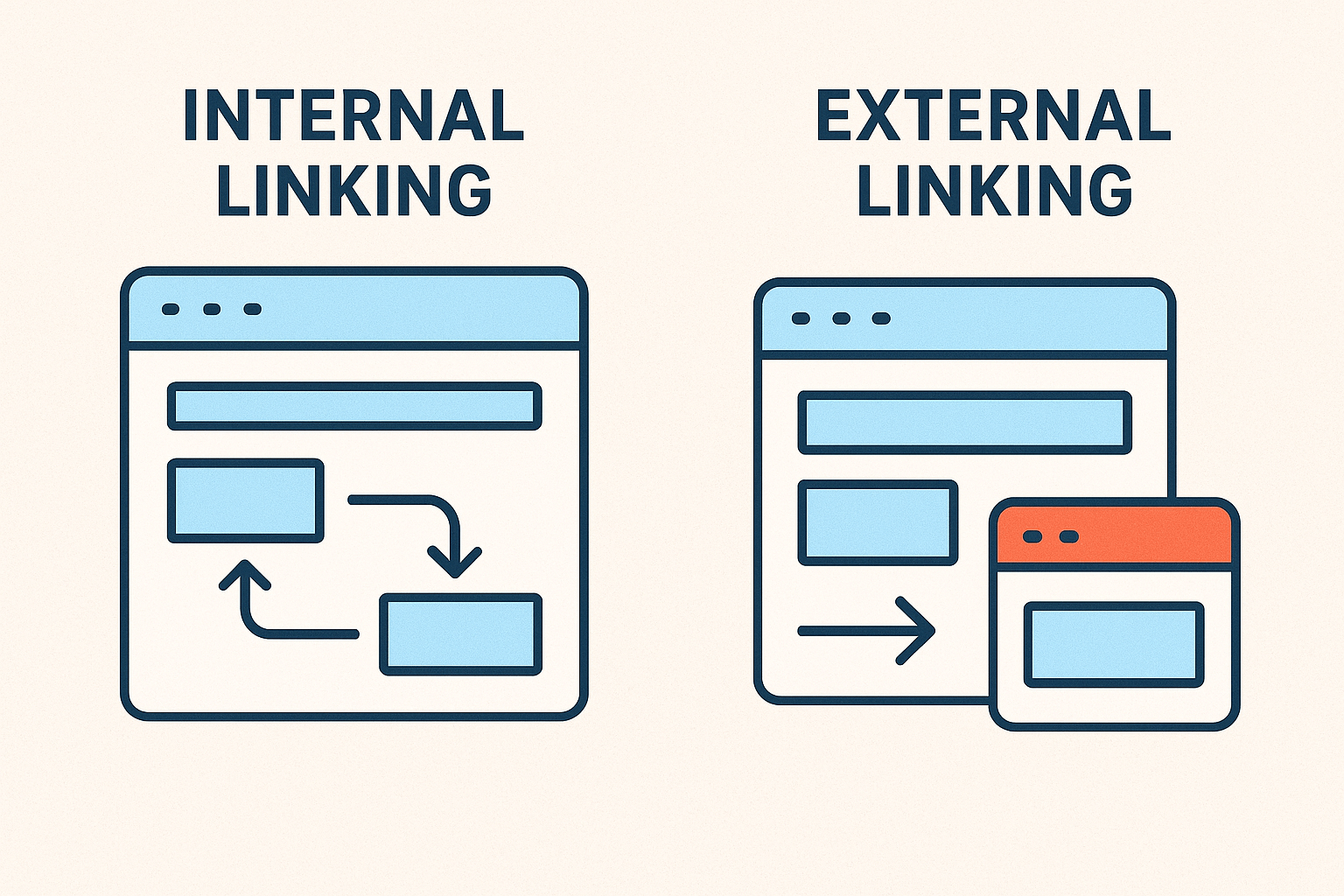
Example: An online clothing brand linked “Summer Collection” to “Casual Wear” and “Accessories” pages. Sales of bundled products increased by 25%.
Tips from The Complete Guide to Modern SEO:
- Use natural, descriptive anchor text.
- Regularly check for broken links.
- Link to authoritative sites like news portals, industry blogs, or government data.
How to Optimise SEO?
Optimizing SEO requires a consistent, step-by-step approach.
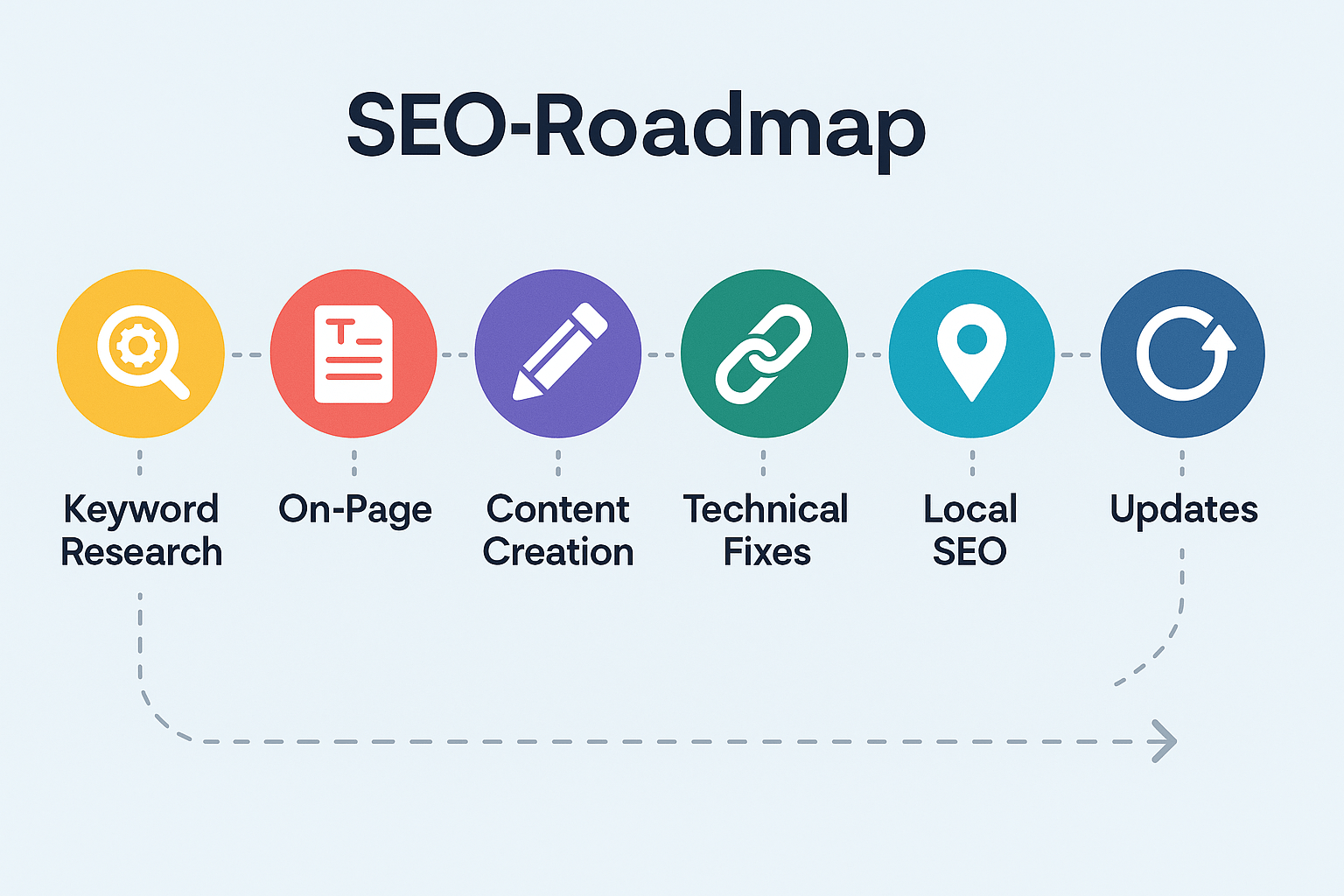
- Keyword Research: Use tools like Google Keyword Planner, SEMrush, or Ubersuggest.
- On-Page Optimization: Insert keywords naturally in meta titles, headers, and content.
- Content Creation: Publish blogs, guides, and FAQs tailored to user intent.
- Technical SEO Fixes: Improve site speed, mobile-friendliness, and indexing.
- Backlink Building: Collaborate with bloggers, news sites, or influencers.
- Local SEO: Optimize for “near me” searches and maintain Google Business Profile.
- Regular Updates: Refresh old blogs with new stats and keywords.
Example: A Jaipur-based travel agency published optimized blogs like “Affordable Rajasthan Tours.” Within months, organic traffic doubled, and inquiries grew significantly.
Content Marketing & SEO:
Content and SEO go hand-in-hand. Without valuable content, SEO cannot succeed.
- Write blogs, FAQs, and guides tailored to search intent.
- Use storytelling to build emotional connections.
- Create video content optimized for YouTube SEO.
- Repurpose blogs into infographics, reels, and newsletters.
Example: A coaching institute in Delhi published blogs on “How to Crack UPSC.” With optimized content, they ranked on Google’s first page and gained 2,000+ student inquiries.
Mobile SEO:
With mobile-first indexing, Google ranks mobile sites first.
Best Practices:
- Use responsive design.
- Test speed with Google PageSpeed Insights.
- Avoid intrusive pop-ups.
- Optimize for voice search queries.
Example: A food delivery startup in Hyderabad optimized its mobile site and voice-search keywords like “late-night food delivery near me.” Orders increased by 40%.
Measuring SEO Success:
Tracking SEO ensures your efforts are paying off.
Key Metrics:
- Organic traffic growth.
- Bounce rate reduction.
- Keyword rankings.
- Conversion rates.
- Backlink quality.
Tools like Google Analytics, Search Console, and SEMrush are essential for ongoing SEO success.
Common SEO Mistakes to Avoid:
- Stuffing keywords unnaturally.
- Ignoring mobile optimization.
- Using duplicate or plagiarized content.
- Neglecting technical issues.
- Forgetting local SEO.
Tip from The Complete Guidance of Modern SEO: Run quarterly SEO audits to fix errors before they impact rankings.
The Future of SEO:
SEO continues to evolve.
- Voice Search: 50% of searches will be voice-based.
- AI & Machine Learning: Google will prioritize contextual results.
- Video SEO: YouTube optimization will be critical.
- User Experience Signals: Engagement and site speed will matter even more.
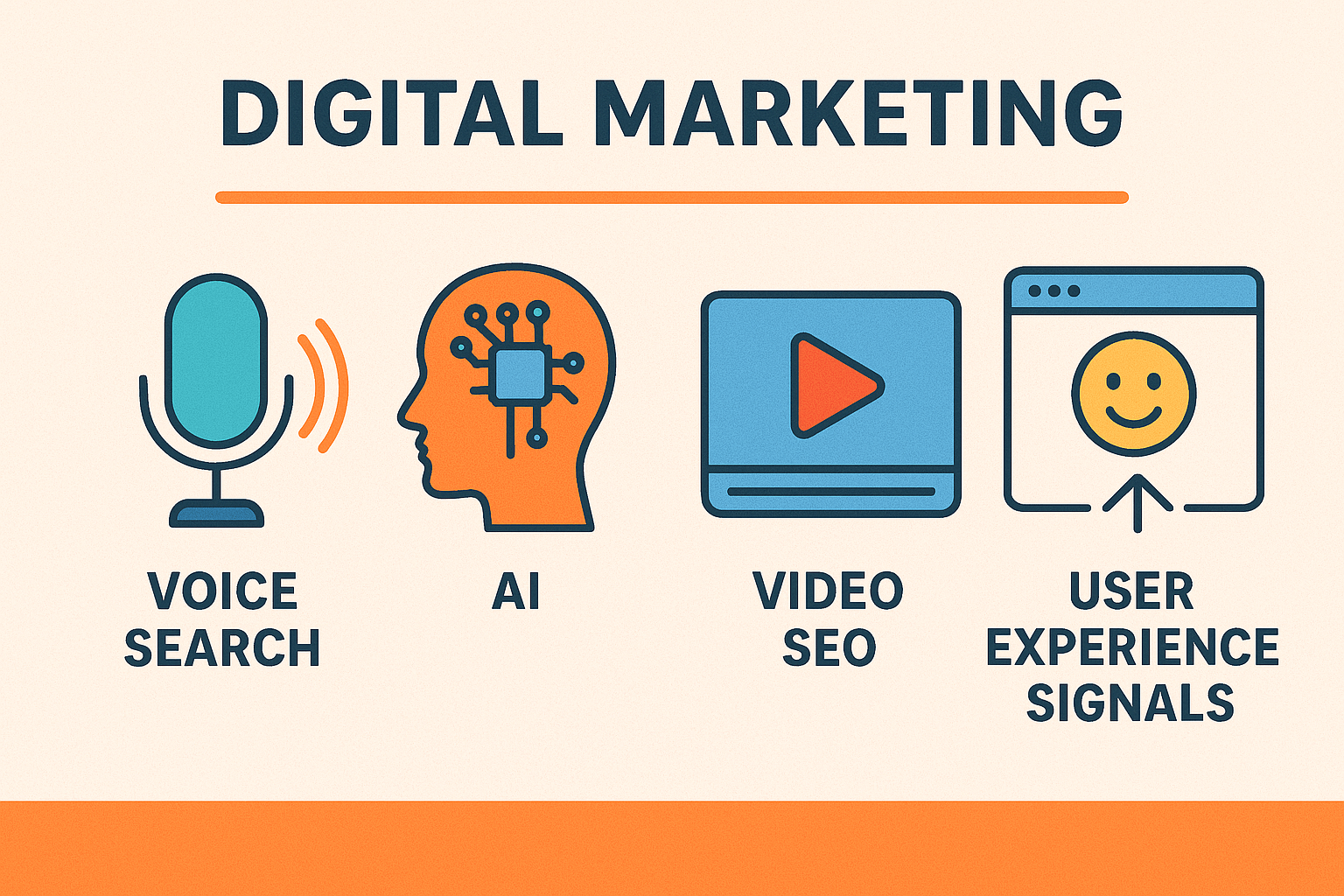
Businesses that adopt these trends early will have a competitive edge.
FAQs:
Usually 3–6 months, depending on competition and strategy.
SEO gives long-term traffic, while ads give instant but temporary results.
Do small updates regularly and run an SEO audit every 3–6 months.
Yes, SEO helps small businesses rank locally and attract more customers.
Quality content, mobile-friendliness, site speed, backlinks, and E-E-A-T.
Yes, basic SEO is possible, but for advanced results an agency helps.
Conclusion
SEO is not just about rankings; it’s about building a strong digital presence that drives traffic, builds trust, and generates consistent business. By applying strategies from The Complete Guidance of Modern SEO—from keyword research to E-E-A-T and internal linking—small businesses in India can compete with bigger players.
Remember, SEO is a long-term game. With consistent effort, smart optimization, and the right tools, you can achieve sustainable digital growth.