

E-commerce has transformed the way India shops. From metro cities to tier-2 and tier-3 towns, millions of customers are shifting online due to affordable smartphones, faster internet, and convenient digital payment options. According to IBEF, India’s e-commerce market is projected to exceed $200 billion by 2026, with small and medium businesses capturing a significant portion of this growth.
However, simply having an online store is no longer sufficient. With major players like Amazon, Flipkart, and Nykaa dominating, the challenge for small businesses is how to stand out in a crowded digital marketplace. This is where Digital Marketing Services and emerging E-Commerce Marketing Trends for 2026 become crucial. Trends are not just marketing buzzwords—they are tools, strategies, and technologies that shape customer behaviour and drive profitability.

Consider Mamaearth, a small D2C brand that leveraged influencer marketing and social media storytelling to become a household name in just a few years. Similarly, Meesho empowered thousands of local sellers by offering a mobile-first, low-cost platform to reach tier-2 and tier-3 city audiences. These brands show that following the right e-commerce marketing trends for 2026 can unlock exponential growth, even for small businesses.
In this blog, we’ll dive into the goals of these trends, how they perform, strategies for growth, the key trends to adopt, and how these strategies help build trust and engagement. By the end, small business owners and marketers in India will have actionable insights on how to leverage Digital Marketing Services to make 2026 their most profitable year yet.
What is a goal of E-Commerce Marketing Trends?
The primary goal of E-Commerce Marketing Trends for 2026 is to align businesses with evolving customer expectations while driving revenue growth. Trends are a reflection of where consumer attention is moving, technological innovations, and the competitive landscape. Businesses that embrace these trends can achieve:
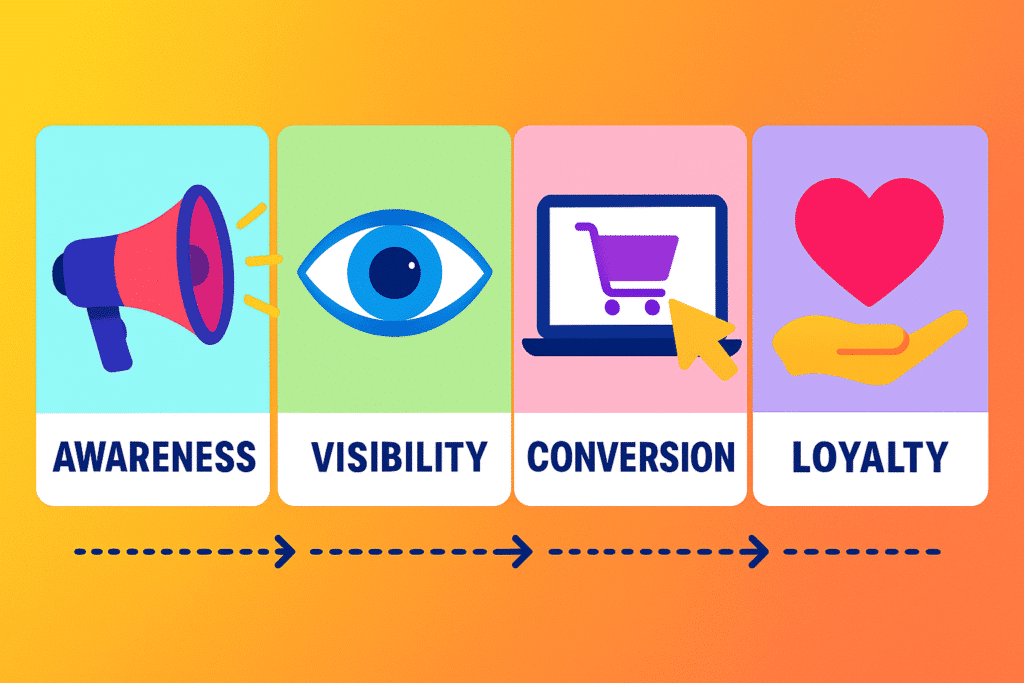
- Enhanced Customer Experience: Customers today expect fast, seamless, and personalized shopping experiences. Trends like AI personalization, AR/VR product trials, and omnichannel marketing improve engagement and reduce friction.
- Improved Visibility: Online shoppers use multiple platforms to research products. Optimizing for voice search, video content, and social commerce ensures your brand is discoverable when customers are ready to buy.
- Higher Conversions: Reducing cart abandonment is key. Using one-click checkouts, targeted email campaigns, and automated retargeting ads—part of current e-commerce trends—boosts conversions.
- Long-Term Loyalty: Customer retention is more cost-effective than acquisition. Trends such as loyalty programs, subscription models, and personalized communication enhance repeat purchase behaviour.
- Data-Driven Decision Making: Modern tools provide actionable insights on consumer behaviour, preferences, and purchase patterns. Businesses can leverage this data to make smarter inventory, pricing, and marketing decisions.
Case in point: Flipkart’s AI-driven product recommendations analyse user behaviour and suggest items, increasing average order value. Nykaa’s video content and influencer guides make buyers feel informed and confident, reducing returns and improving engagement.
For Indian small businesses, the goal is to adapt these trends locally. A small textile shop in Surat can use WhatsApp catalogues and regional language promotions to increase engagement, while a Delhi-based café can use Instagram Reels to showcase menu highlights.
Ultimately, the goal of E-Commerce Marketing Trends is not just selling products online—it’s about creating meaningful connections, improving engagement, and driving sustainable growth.
How it’s perform?
Performance measurement is a critical part of e-commerce strategy. E-Commerce Marketing Trends for 2026 perform when they improve engagement, visibility, conversions, and customer satisfaction. Here’s how some key trends perform in real life:
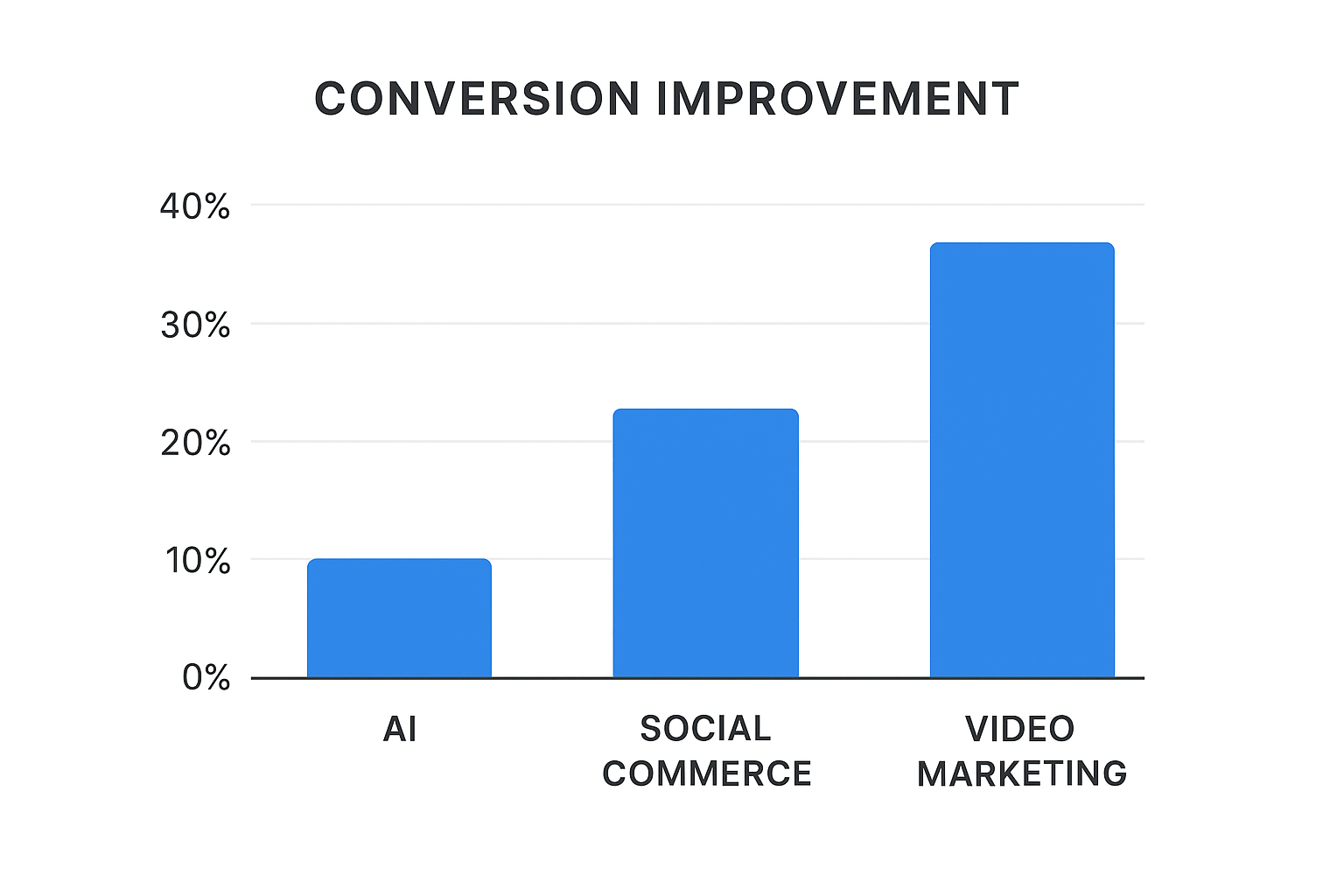
- AI & Personalization: Personalized recommendations based on browsing or purchase history increase conversion rates by up to 30%, according to Statista. Brands like Flipkart and Myntra have seen significant improvements in sales with AI-driven suggestions.
- Voice Search Optimization: With Google reporting that 30% of searches in India are now voice-based, optimizing for natural language queries in Hindi, Gujarati, Tamil, and other regional languages boosts visibility.
- Social Commerce: Instagram Shops, Facebook Marketplace, and WhatsApp Commerce allow businesses to sell directly to consumers. Jaipur-based handicraft sellers reported 40% higher orders after adopting Instagram Shops.
- Video Marketing: 70% of online shoppers prefer watching videos to reading descriptions. Amazon and Nykaa utilize product videos to reduce returns and improve trust.
- Omnichannel Presence: Selling across multiple platforms (your website, Amazon, Flipkart, Instagram, WhatsApp) ensures consistent revenue streams and reduces dependency on a single channel.
- Customer Service Automation: AI chatbots handle queries efficiently, reducing operational costs and improving response times. A Mumbai-based cosmetics retailer saw customer satisfaction increase by 25% after implementing a chatbot.
Actionable Tip: Track KPIs like CTR, conversion rates, bounce rates, and average order value to evaluate trend performance. Use Google Analytics, Hotjar, or Zoho Analytics to measure effectiveness.
For Indian small businesses, trends like WhatsApp Commerce or micro-influencer campaigns are cost-effective yet highly impactful. By monitoring performance, you can fine-tune strategies for maximum ROI.
How your brand can unlock new growth potential?
Small businesses and local sellers can unlock growth potential by strategically adopting E-Commerce Marketing Trends for 2026. Here’s a practical roadmap:
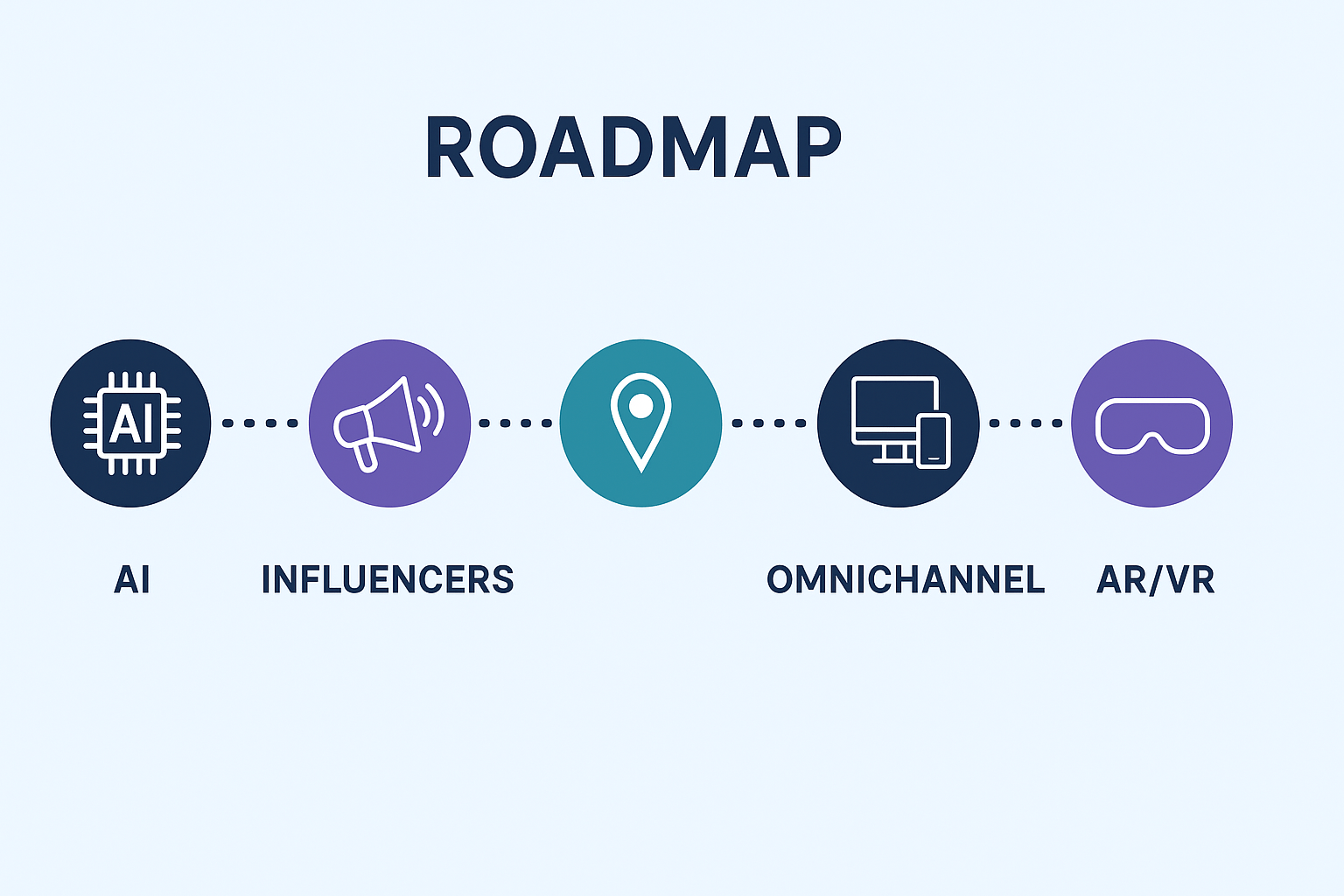
- Invest in AI & Personalization: Use tools like Shopify AI, Zoho Commerce, or WooCommerce plugins for product recommendations, personalized email campaigns, and targeted ads. This increases conversions and average order value.
- Leverage Influencer Marketing: Partner with regional micro-influencers who resonate with your target audience. A home décor brand in Ahmedabad collaborating with local lifestyle bloggers can increase engagement at a lower cost than national campaigns.
- Adopt Localized Marketing: Use regional languages in product descriptions, WhatsApp catalogues, and social media ads. Tier-2 and Tier-3 city customers engage more when messaging is culturally relevant.
- Omnichannel Presence: Sell on your website, Flipkart, Amazon, Instagram, and WhatsApp. Diversified channels reduce dependency on a single platform and increase visibility.
- Use AR/VR Tools: Furniture, fashion, and cosmetic brands can leverage AR for virtual trials. Even simple 3D product images improve confidence and reduce returns.
- Flexible Payment Options: Offer UPI, PayLater, EMI, and digital wallets to facilitate easier checkouts, particularly in smaller towns.
- Hyperlocal Marketing: Collaborate with delivery services like Dunzo, Shadowfax, or local courier services for faster, same-day delivery. Quick delivery builds trust and encourages repeat purchases.
Mini Case Study: A Surat-based textile retailer implemented WhatsApp order catalogs and UPI payments. Within three months, sales increased by 35%, primarily due to simplified buying processes and personalized communication.
Actionable Tip: Start small. Pick 2–3 trends to implement initially, monitor performance, and scale gradually. Growth potential comes not from adopting all trends at once, but from consistent, data-driven execution.
Which key are include for E-Commerce Marketing Trends?
Here are the key trends that every small business should focus on in 2026:
- AI & Machine Learning: Personalized recommendations, dynamic pricing, and predictive analytics.
- Voice & Visual Search: Optimizing product listings for natural language queries and image-based searches.
- AR/VR Shopping Experiences: Virtual try-on for apparel, furniture, or cosmetics.
- Social & Influencer Commerce: Direct selling through Instagram, YouTube, Facebook, and WhatsApp.
- Sustainable & Ethical Branding: Eco-friendly packaging and responsible sourcing appeal to conscious consumers.
- Faster Delivery & Hyperlocal Logistics: Same-day delivery or next-day delivery increases trust.
- Content Marketing & SEO: Blogging, tutorials, and product guides enhance visibility and authority.
- Customer Loyalty Programs: Rewarding repeat customers with points, discounts, or special access.
- Blockchain & Payment Security: Building trust through secure and transparent transactions.
- Automation & Chatbots: Efficient customer support and engagement, especially for small teams.
Example: Zepto scaled its business rapidly by focusing on hyperlocal delivery, fast payment options, and seamless app experiences. Small D2C brands can implement these strategies at a smaller scale to achieve competitive advantages.
By focusing on these keys, businesses ensure that they are not only keeping up with competitors but also creating a strong foundation for long-term growth.
What they will do for build trust and engagement?
Trust and engagement are the foundation of long-term e-commerce success. Customers buy from brands they trust, and they return when they feel engaged. Here’s how E-Commerce Marketing Trends for 2026 contribute:
- Transparency in Reviews: Display genuine customer reviews, even negative ones. Amazon and Flipkart earn trust because of their review systems. Small sellers can also use Google Business reviews or Instagram highlights.
- Personalized Engagement: AI-driven tools send reminders, order updates, and suggestions based on past purchases. This creates a sense of one-to-one connection.
- Brand Storytelling: Share your journey through blogs, reels, and newsletters. Customers feel more connected to a brand with a human touch.
- Interactive Shopping: Use AR filters, polls, and quizzes on social media. For example, beauty brands use “Which shade suits you?” quizzes to drive engagement.
- Easy Returns & Fast Delivery: Trust grows when businesses deliver on promises. A Vadodara-based footwear brand saw repeat customers rise by 45% after offering “7-day no questions asked” returns.

E-commerce buyers are smarter today. They research before purchasing, compare options, and check reviews. Businesses that follow these E-Commerce Marketing Trends for 2026 build credibility faster.
Engagement also goes beyond just selling—it’s about community building. Brands like Lenskart run live sessions, allowing buyers to interact directly with experts. Small Indian businesses can replicate this with Instagram Live Q&A sessions or local WhatsApp groups.
In short, these trends transform buyers into loyal advocates, creating word-of-mouth marketing and sustained growth.
Top Tools & Resources:
Shopify AI & Apps: Personalized product recommendations.
WhatsApp Business & Catalogs: Direct engagement with local audiences.
Canva & Adobe Spark: Content creation for social media.
Zoho Commerce & Analytics: Data insights for smarter decisions.
AR/VR Tools: Augment for virtual product trials.
FAQs
They are strategies like AI personalization, AR/VR shopping, social commerce, and hyperlocal delivery that help businesses grow online.
Because they boost visibility, increase sales, and help compete with big players like Amazon and Flipkart.
They recommend products based on customer behavior, improving conversions and repeat purchases.
Yes, selling through Instagram, WhatsApp, and Facebook helps small sellers reach local customers directly.
With more Indians using voice assistants in regional languages, optimizing for voice search improves discoverability.
6. Are these marketing trends expensive to adopt?
Not always—tools like WhatsApp Business, micro-influencer tie-ups, and localized ads are budget-friendly.
Through transparent reviews, fast delivery, easy returns, and personalized engagement.
Pick 1–2 trends like WhatsApp catalogues or influencer marketing, test performance, and scale gradually.
Conclusion:
The future of e-commerce in India is bright, but also competitive. In 2026, businesses that adapt to the latest E-Commerce Marketing Trends for 2026 will stay ahead, while those that resist change risk falling behind.
From AI-driven personalization and influencer collaborations to hyperlocal delivery and sustainable branding, these trends are reshaping how businesses connect with customers. The key is not just to adopt technology, but to align it with customer needs and cultural preferences.
For small businesses in India, this is a golden opportunity. With affordable tools, regional marketing, and social commerce, even a small seller can compete with larger brands. Remember, consumers trust businesses that are transparent, customer-friendly, and innovative.
If you’re a small business owner or marketer, start by applying one or two E-Commerce Marketing Trends today—be it WhatsApp engagement, influencer tie-ups, or AI-powered recommendations. Over time, consistent adoption will lead to stronger trust, higher sales, and long-term profitability.
The message is clear: 2026 will reward businesses that stay ahead of the curve. The sooner you adopt these E-Commerce Marketing Trends, the sooner you’ll unlock growth.